
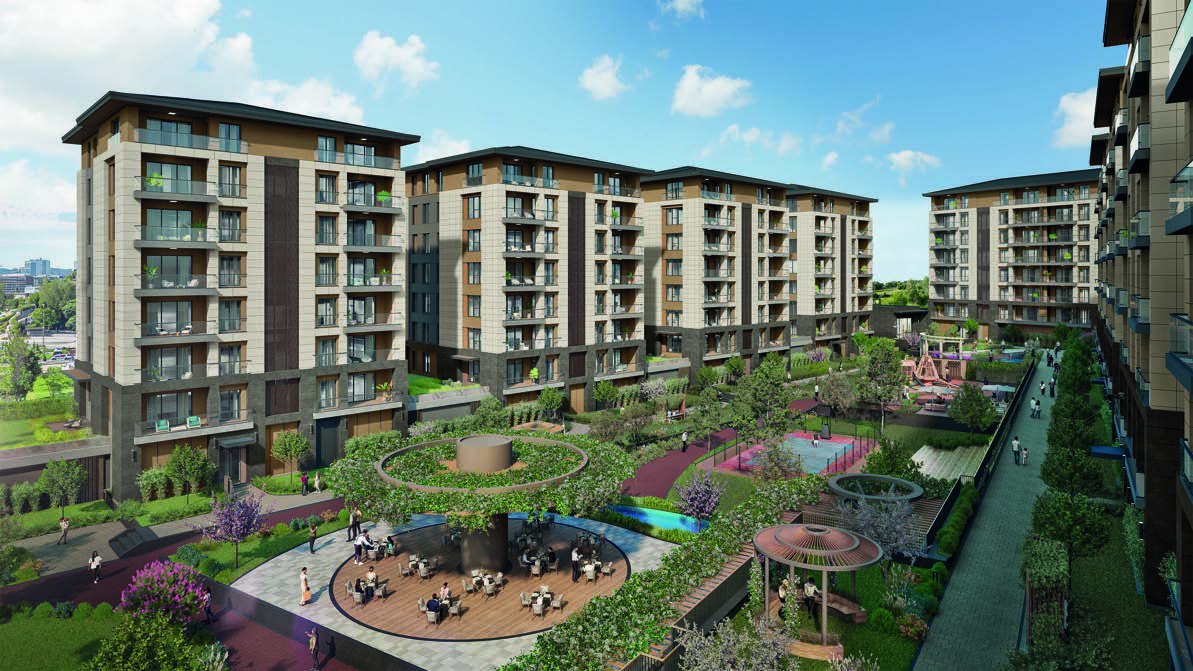
 New Launch
Beylikdüzü, Istanbul
Lotus Yaşam
A newly launched residential project designed for modern living.
Discover MoreWhat the monthly building fee (aidat) in Turkey pays for, how each owner's share is calculated under the Condominium Law, and what changed in 2026.
When you buy an apartment in Turkey, the price is not the only number to ask about. Every owner in a building or residential complex also pays a regular contribution to run the shared parts of the property. Turks call it aidat. It is not a tax and it does not go to the state: it is collected by the building's management and spent on the building itself. The rules come from the Condominium Law (Kat Mülkiyeti Kanunu, No. 634), which sets who pays, for what, and in what proportion.
The law lists the costs that owners share. The first group is staff: the doorman (kapıcı), the person who runs the central heating, the gardener and the security guards. The second group covers the building as a whole: the insurance of the building, the maintenance, protection, strengthening and repair of all common areas, the manager's fee, and the operating costs of shared facilities. In practice this means electricity and water for corridors, gardens and car parks, cleaning of common areas, and the upkeep of lifts. The law also makes the manager responsible for the monthly maintenance and yearly inspection of the lifts.
In a residential complex the list grows with the facilities. Separate swimming pools, a gym, landscaped gardens, a closed car park, 24-hour security with cameras, a backup generator and daily cleaning all have running costs, and the aidat pays for them. This is why two apartments of the same size can have very different fees: a small building with a lift and a doorman costs far less to run than a complex with pools, gardens and round-the-clock security.
The starting point is the operating budget (işletme projesi). It estimates the income and expenses of the building for one year, shows each owner's share of the total, and sets the advance that each owner pays. The budget is approved by the owners' general meeting. The yearly amount is then collected in instalments on the dates set in the building's management plan (yönetim planı); in most buildings this is a monthly payment.
Unless the owners have agreed otherwise, the law splits the costs in two ways. Staff costs (doorman, heating staff, gardener and guards) are shared equally between the units. All other costs, such as insurance, repairs, the manager's fee and the running of shared facilities, are shared according to each unit's land share (arsa payı), the share of the plot recorded on the title deed, which reflects the value of the unit within the building. A larger or more valuable apartment therefore usually pays more. An owner cannot refuse to pay by saying that they do not use the pool or the garden.
Owners also have the right to see where the money goes. The manager must present the accounts to the owners every year, and if half of the owners ask, the accounts must be shown at any other time as well. The accounts are audited every three months unless the management plan sets a different schedule.
Law No. 7579, published in the Official Gazette on 22 May 2026, was passed to curb excessive fees. When a building already has an operating budget in force, the new provisional budget prepared by the manager may not rise by more than the official annual revaluation rate, and it must be put to the owners' general meeting and decided within three months at the latest. In large residential complexes, the management plan can now be changed with a two-thirds vote, and plan provisions that contradict this rule do not apply.
An owner who does not pay on time owes a delay compensation of five percent per month, and the manager or any other owner can take legal action. If the debt still cannot be collected, a legal mortgage can be registered on the unit in favour of the other owners. If the apartment is rented out, the tenant is also responsible towards the building, up to the amount of the rent, and any payment the tenant makes is deducted from the rent. Who pays the aidat between landlord and tenant is set in the rental contract.
Before you buy, ask for the current monthly fee and what it covers, a copy of the approved operating budget and the management plan, and written confirmation that the apartment has no unpaid fees. These conditions follow the current law and may change.
If you are considering one of the projects we market in Istanbul, our team can tell you the current fee of the project and what it includes before you decide. Contact HADARA, or book a private video tour to see the shared facilities for yourself.
From our projects
A few of our projects that relate to this article. Our team is happy to answer your questions about them.
New Launch
Beylikdüzü, Istanbul
A newly launched residential project designed for modern living.
Discover More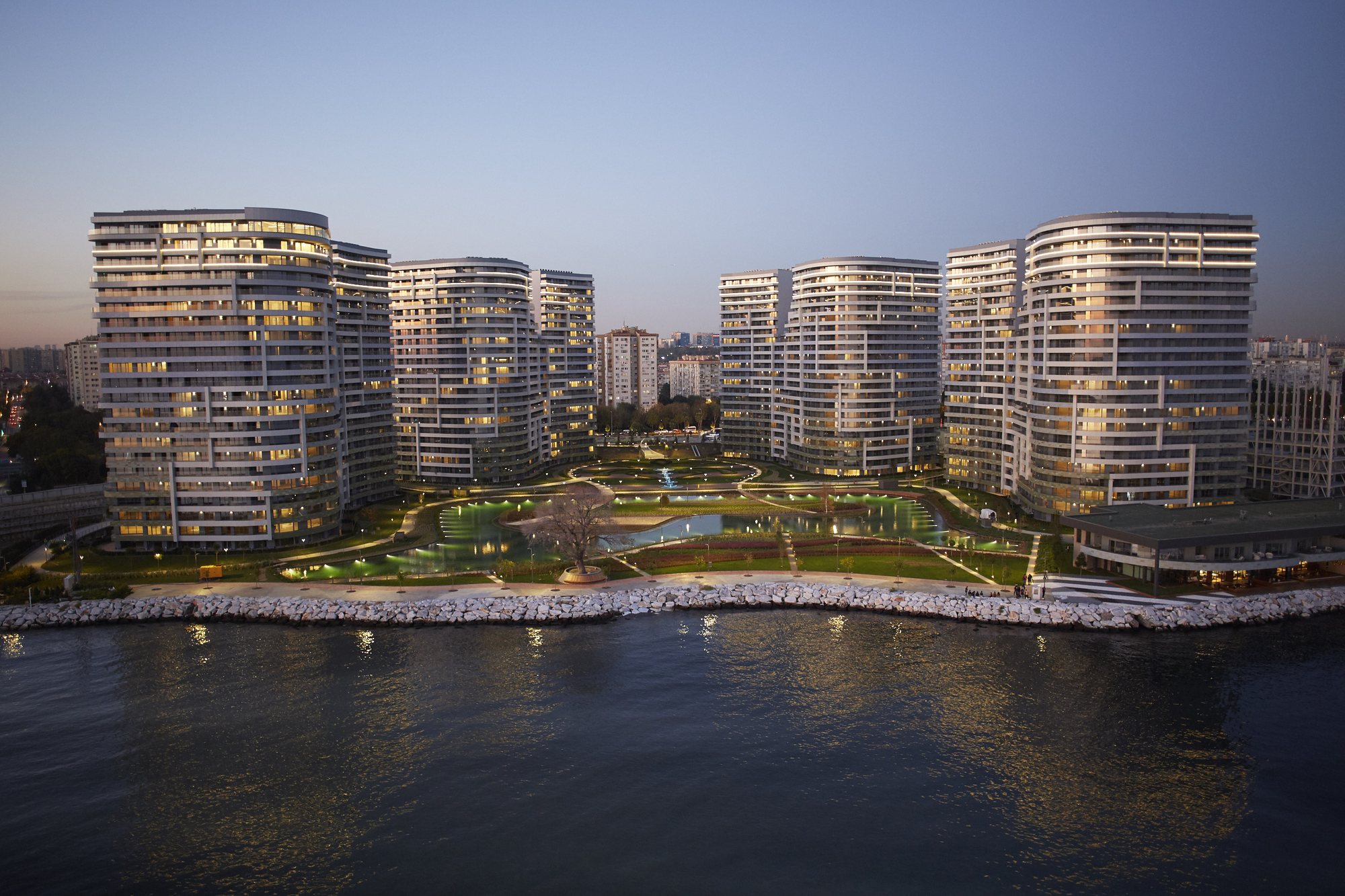 Completed
Units Available
Bakırköy, Istanbul
A residents-only seafront, Ottoman-style gardens and sea views in Ataköy.
Discover More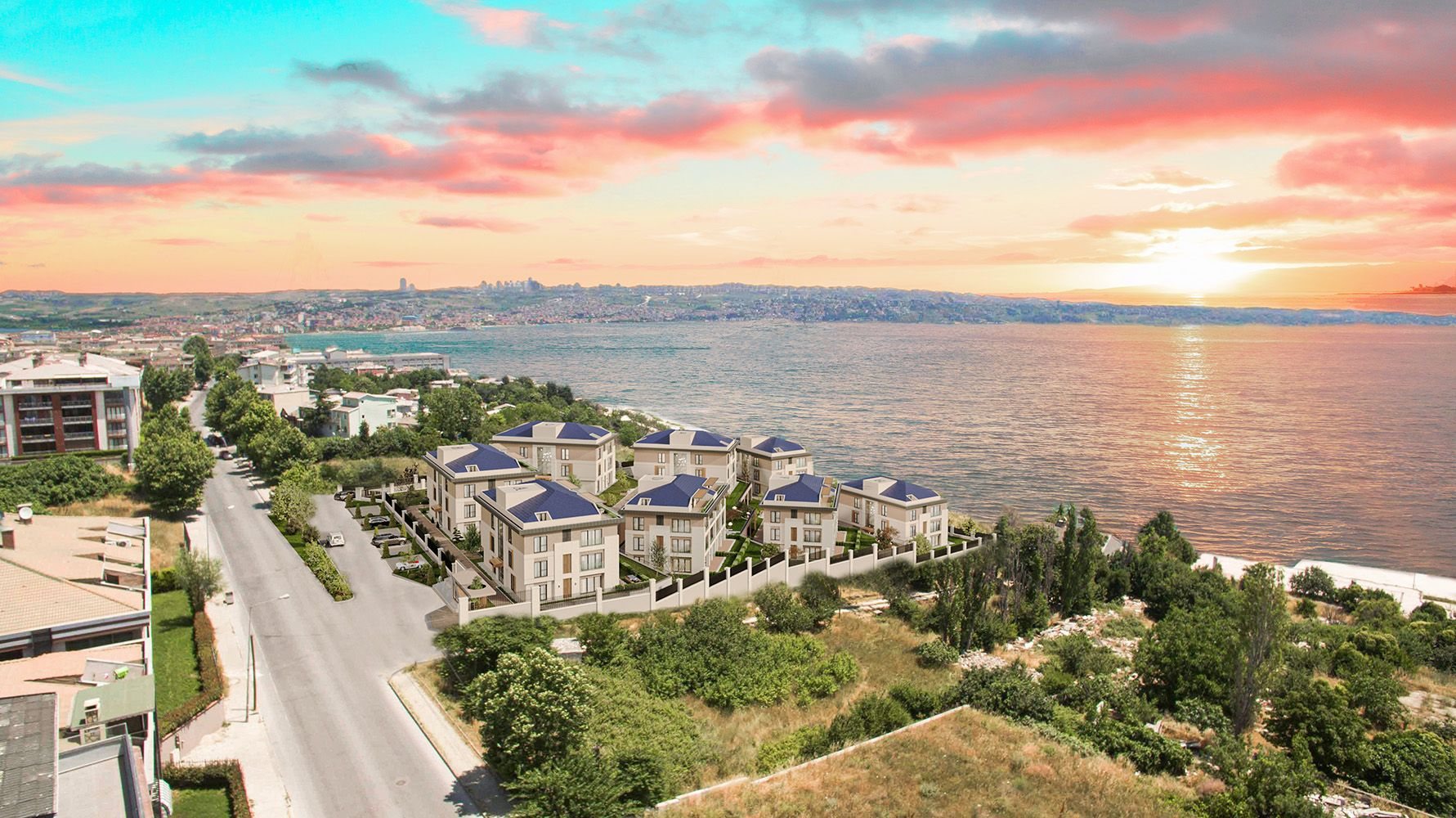 Completed
Units Available
Büyükçekmece, Istanbul
A fairytale life between the green of nature and the blue of the sea in Büyükçekmece.
Discover More
Buying Property
A plain explanation of the İskan, the occupancy permit of a completed building, why it matters and how it relates to the title deed.
Read Article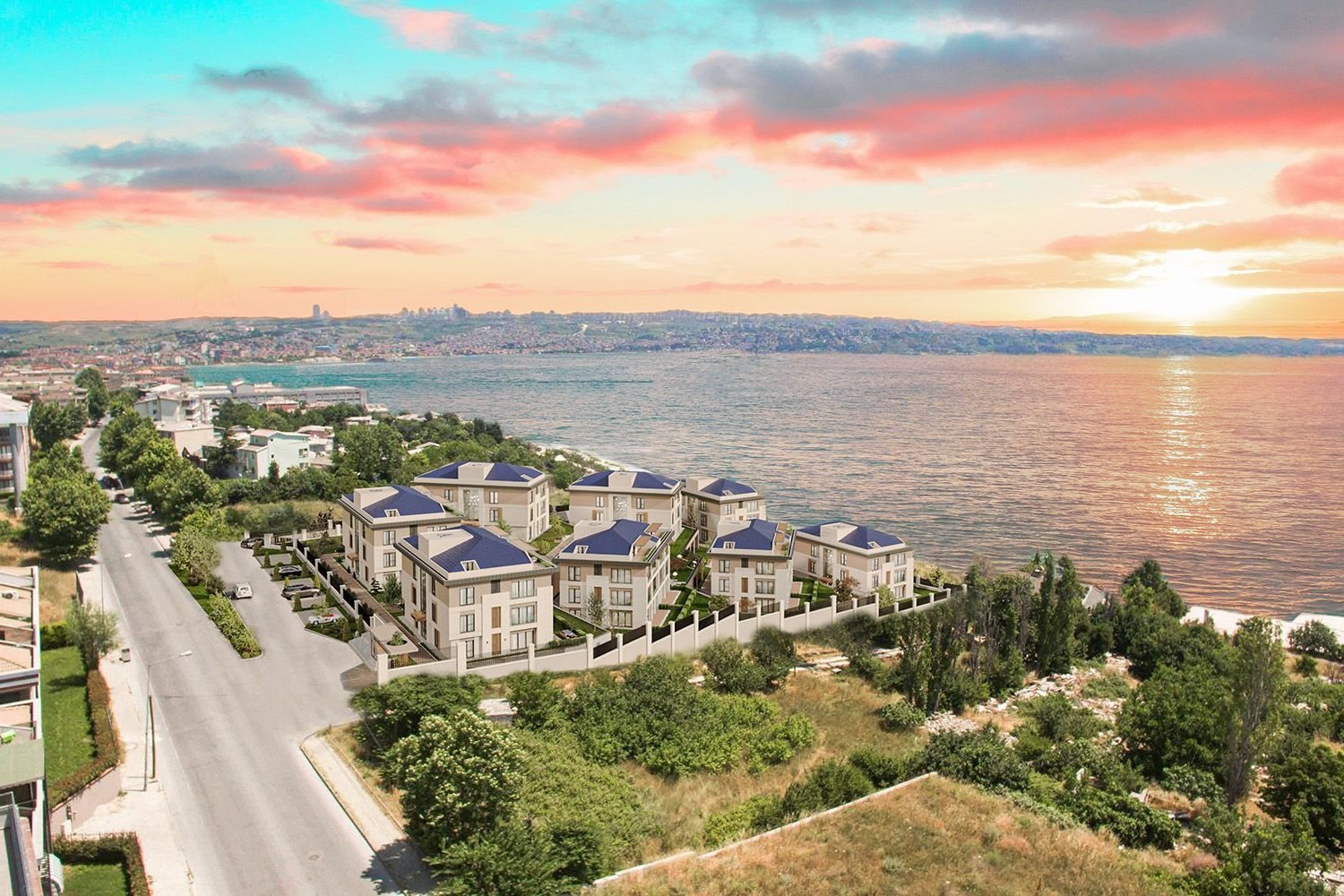
About Istanbul
Where Büyükçekmece lies, what daily life by the coast looks like, and which ready-to-move-in homes HADARA offers in the district.
Read Article
Buying Property
What net, brüt, total brüt and the saleable area really mean in a Turkish property listing, based on the official zoning rules and real examples.
Read Article