
 Completed
Units Available
Zeytinburnu, Istanbul
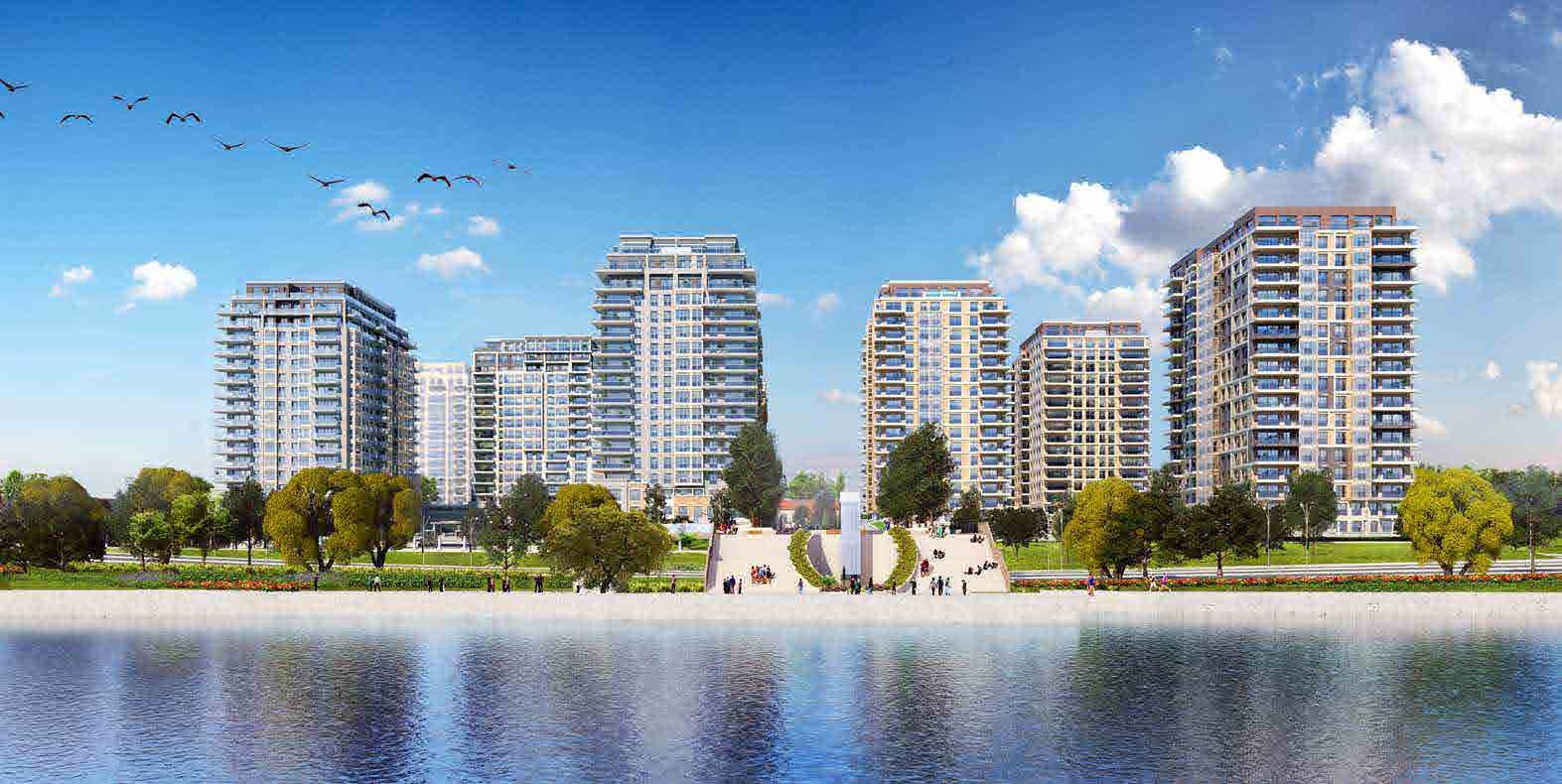
Büyükyalı
Istanbul's new sea district on the Kazlıçeşme coast, with historic lofts and a FENDI Casa block.
Discover MoreTwo names appear on many housing projects across Istanbul and Turkey; here is what each one is, how they work together and what that means for a foreign buyer.
Anyone who starts looking at property in Istanbul soon meets two names: TOKİ and Emlak Konut. They appear on billboards, in project brochures and in news about new neighbourhoods across Turkey, and they are often mentioned together. Many foreign buyers assume they are the same organisation, or that any project linked to them is open to everyone. In fact they are two very different bodies with different roles, and knowing the difference helps you understand which projects you can actually buy and what the names on a brochure really mean. This guide is based on the information the two institutions publish themselves and on the Mass Housing Law.
TOKİ stands for Toplu Konut İdaresi Başkanlığı, the Mass Housing Administration of the Republic of Türkiye. It is a public body, not a company. It was created under the Mass Housing Law (Law No. 2985) of 1984 and today operates under the Ministry of Environment, Urbanisation and Climate Change. Its official role is to support housing for the public: it produces homes for low and middle-income families, supplies land for housing areas, provides housing loans, builds homes in disaster areas and takes part in urban renewal projects. It works as a non-profit public administration, and its income and spending are audited by the state.
TOKİ's best-known work is social housing. These projects are offered through official application campaigns, usually via the e-Devlet government portal, and homes are allocated by public lottery with long-term instalment plans. The conditions are set separately for each campaign and typically include Turkish citizenship, a minimum age, an income limit and not already owning a home. TOKİ's own application forms state that when one spouse is a foreign national, only the spouse who is a Turkish citizen may apply. In other words, TOKİ's social housing is designed for Turkish families, and a foreign buyer cannot apply for it.
Emlak Konut GYO (Emlak Konut Gayrimenkul Yatırım Ortaklığı A.Ş.) is something else: a real estate investment trust, a joint-stock company whose shares have traded on Borsa Istanbul since 2010. Its roots go back to 1953, and it took its current form as a real estate investment trust in 2001. TOKİ is its main shareholder, which is why the two names are so closely linked, but Emlak Konut is run as a commercial company that aims to make a profit and reports to its investors.
Emlak Konut's main source of land is TOKİ. Rather than building most projects itself, it tenders them to private developers under two models. In the revenue-sharing model, a developer builds on Emlak Konut's land at its own cost and the sales revenue is shared between the developer and Emlak Konut at rates set in the contract. In the turnkey model, Emlak Konut pays a contractor to build the project and sells the homes itself. Its projects mostly target the middle and upper-middle segments of the market, and they range from apartment compounds to large mixed-use neighbourhoods with shops, offices and leisure areas.
The link between them explains why the names so often appear side by side. TOKİ owns land across the country. Part of it is developed for higher-value homes, often through Emlak Konut and the revenue-sharing model, and TOKİ states that it uses the income from its revenue-sharing projects for its social housing projects. So the two serve different buyers but belong to the same system: one side produces homes sold at market conditions, the other produces social housing for families who qualify.
For a foreigner, the practical difference is simple. TOKİ's social housing is not open to you, so a sign that says TOKİ does not mean the homes are for sale to the public. Projects developed with Emlak Konut, on the other hand, are sold on the open market, and foreign nationals can buy in them under the same rules that apply to any property purchase in Turkey. Emlak Konut's own forms for foreign buyers, for example, ask for a passport and a foreign exchange purchase certificate (DAB) at the land registry. If you are buying with Turkish citizenship in mind, a project linked to Emlak Konut follows exactly the same citizenship conditions as any other property; the name gives no special route. These conditions are per current law and may change.
When a brochure says a project is built on Emlak Konut land or under the guarantee of Emlak Konut, it is worth asking a few clear questions: who the developer is, which company you will sign the sales contract with, what the guarantee covers and when the title deed will be issued in your name. Büyükyalı in Zeytinburnu is one example: it is developed by Özak GYO, Ziylan and Yenigün under the guarantee of Emlak Konut GYO, and the developers are named clearly in the project details.
If you would like help reading a brochure or comparing projects in Istanbul, the HADARA team is happy to explain the details in your language, as your real estate partner in Istanbul. Contact us, or book a private video tour to see the projects and ask your questions before you travel.
From our projects
A few of our projects that relate to this article. Our team is happy to answer your questions about them.
Completed
Units Available
Zeytinburnu, Istanbul
Istanbul's new sea district on the Kazlıçeşme coast, with historic lofts and a FENDI Casa block.
Discover More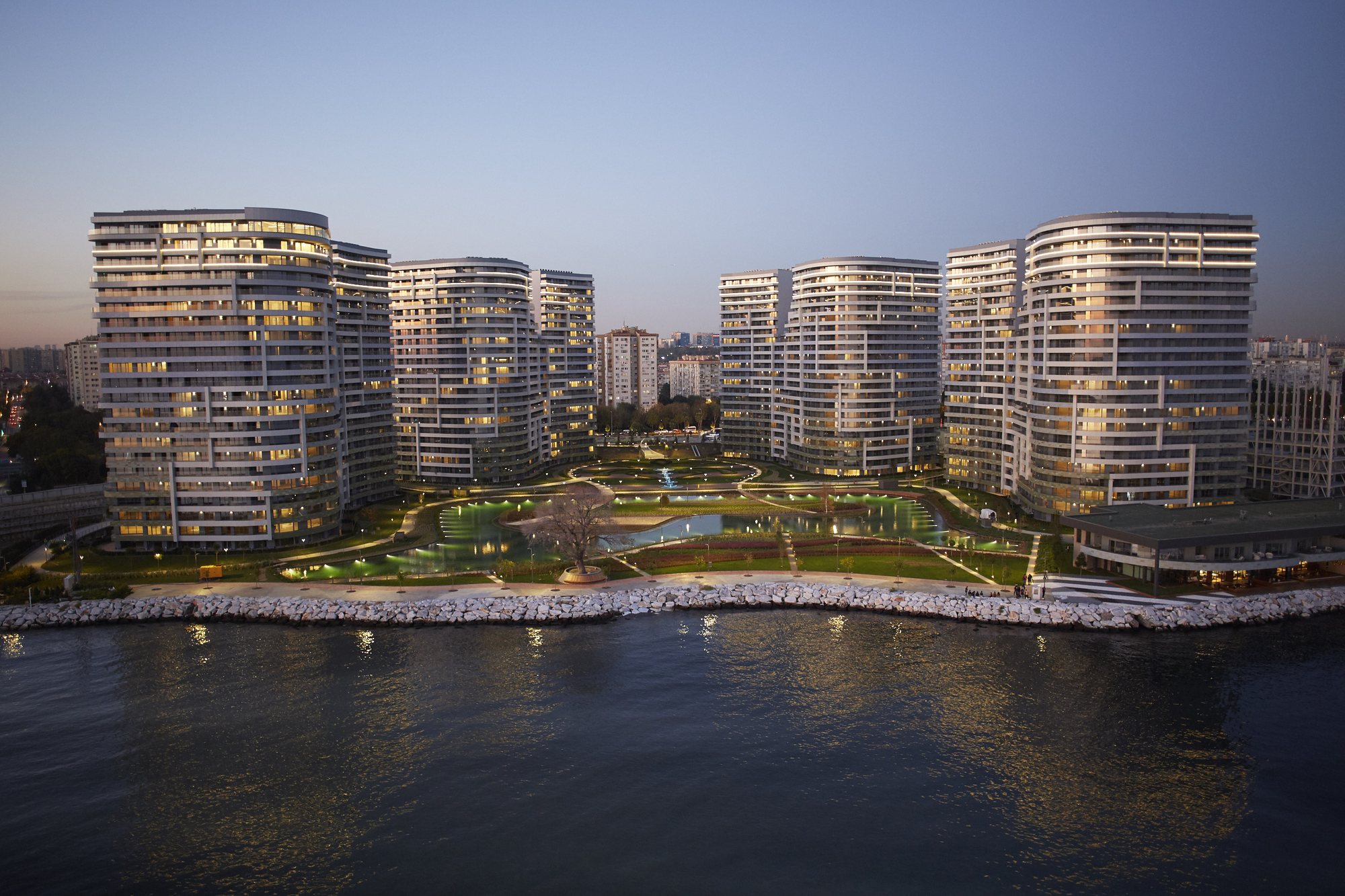 Completed
Units Available
Bakırköy, Istanbul
A residents-only seafront, Ottoman-style gardens and sea views in Ataköy.
Discover More New Launch
Beylikdüzü, Istanbul
A newly launched residential project designed for modern living.
Discover More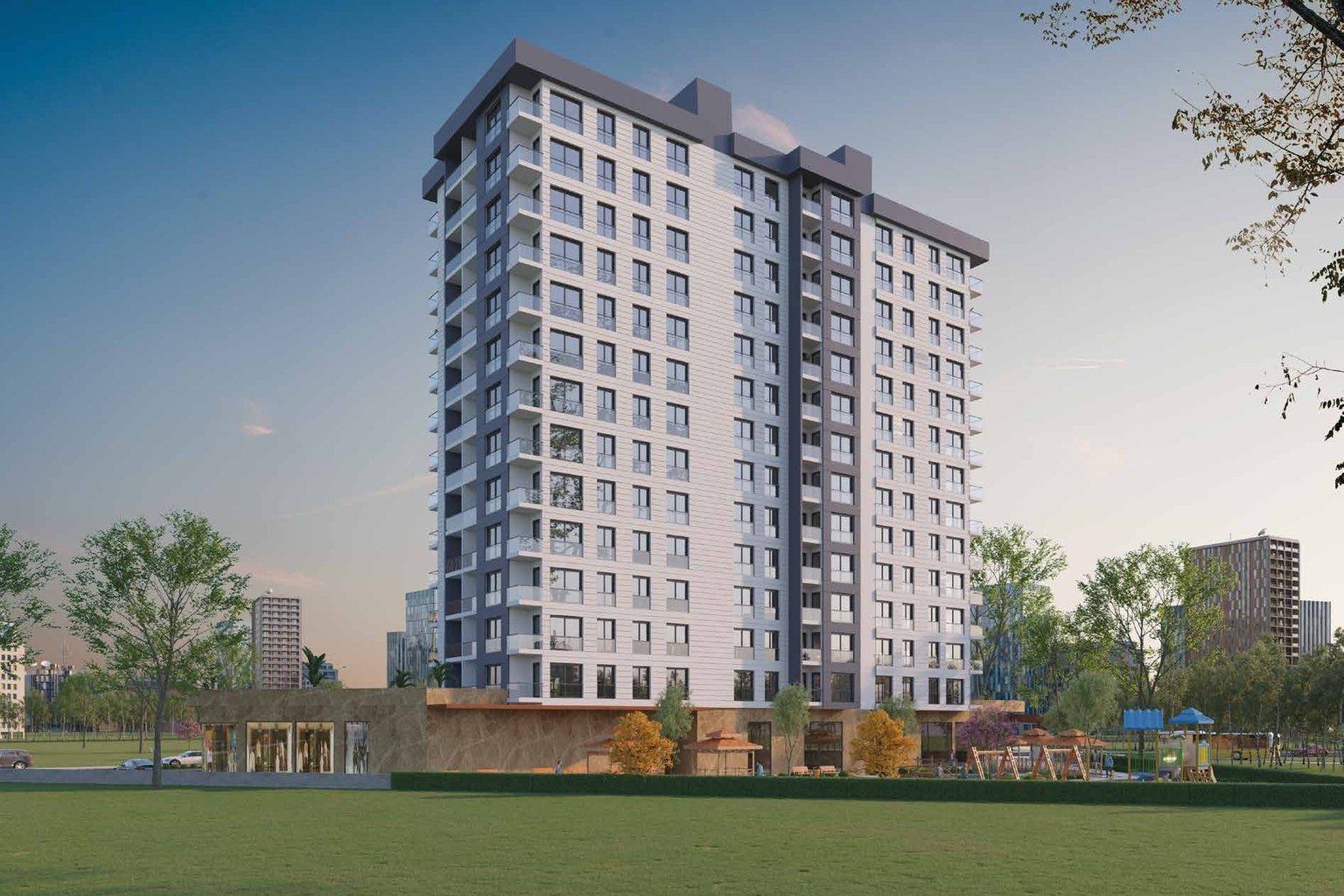
Buying Property
A plain explanation of the İskan, the occupancy permit of a completed building, why it matters and how it relates to the title deed.
Read Article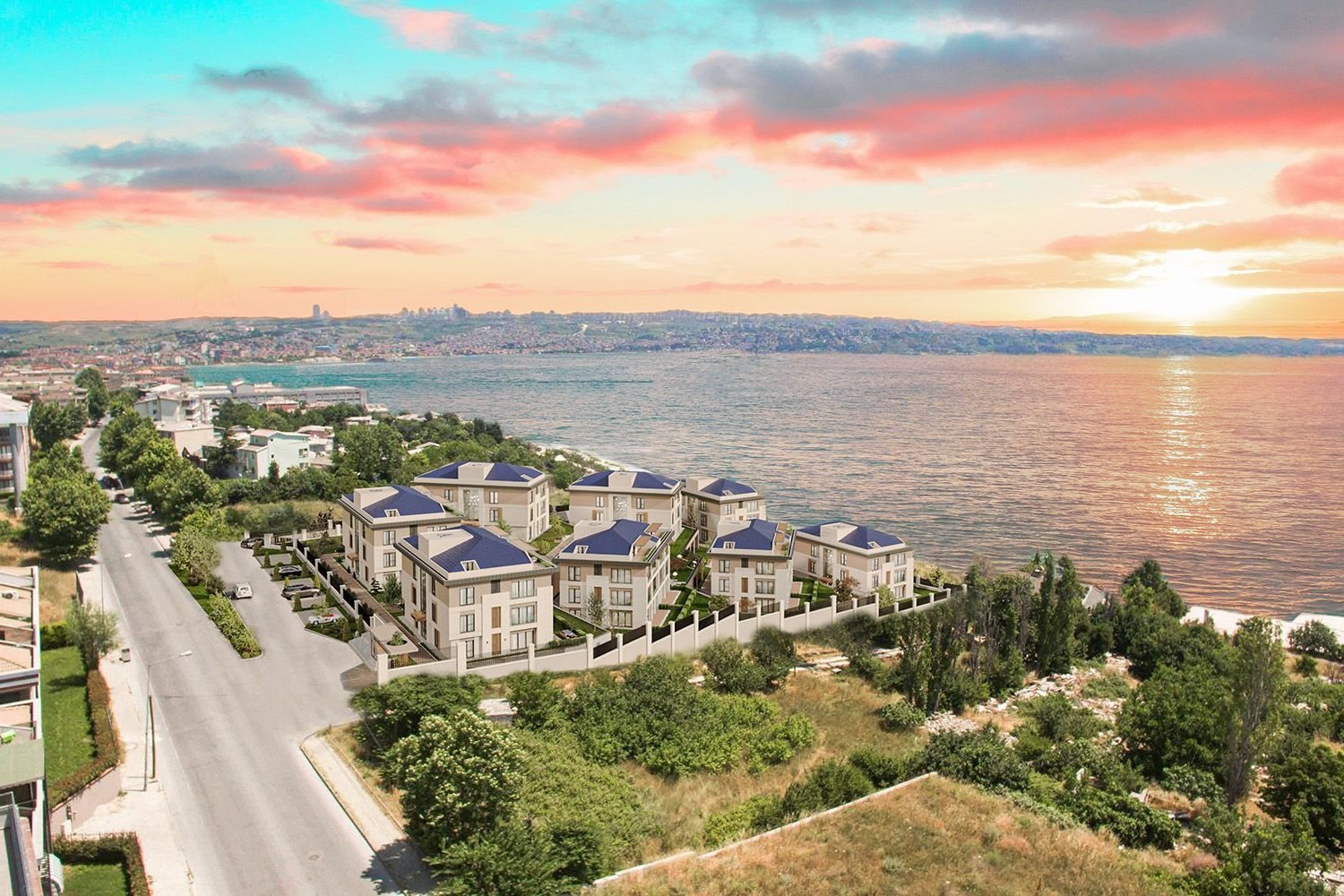
About Istanbul
Where Büyükçekmece lies, what daily life by the coast looks like, and which ready-to-move-in homes HADARA offers in the district.
Read Article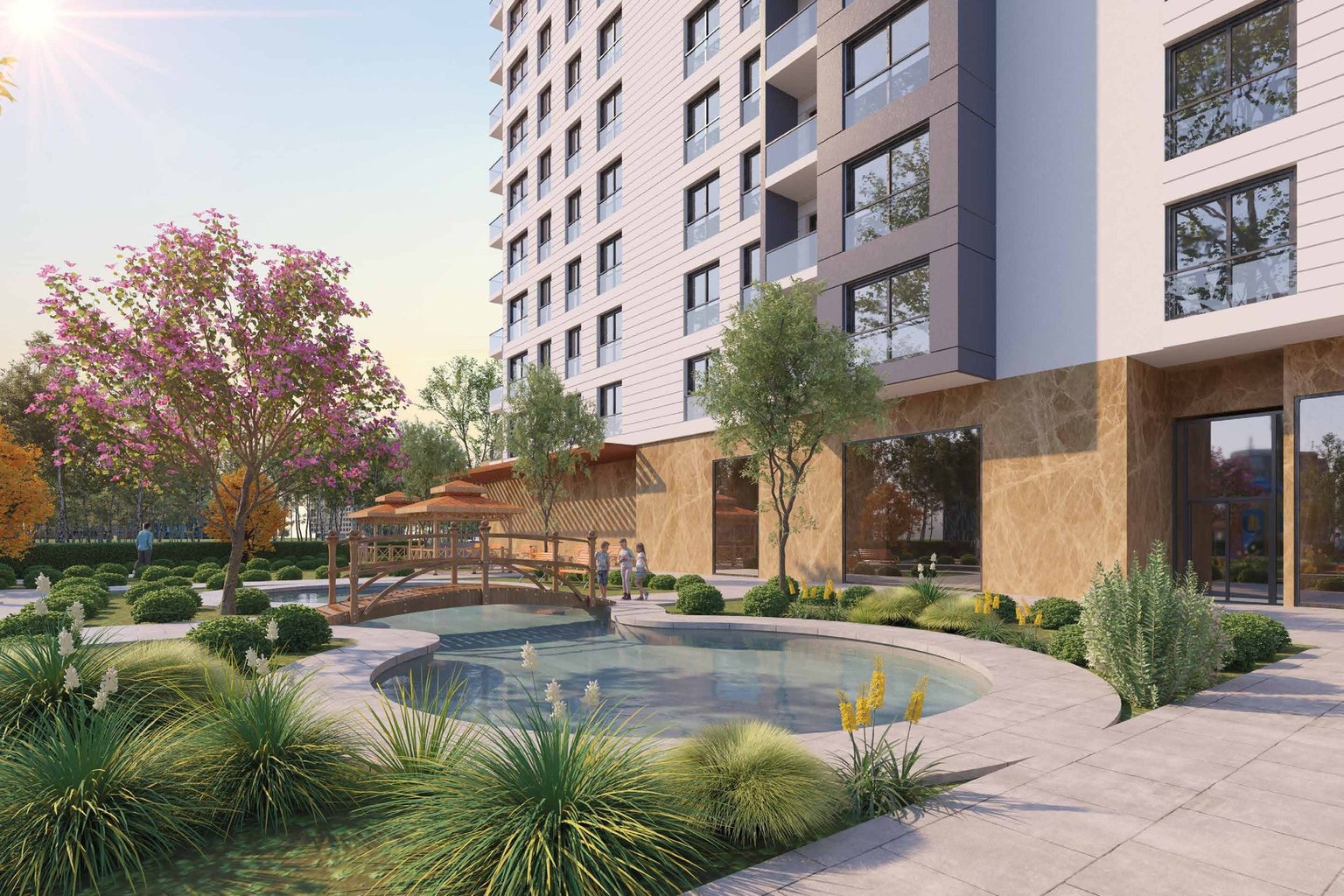
Buying Property
What the monthly building fee (aidat) in Turkey pays for, how each owner's share is calculated under the Condominium Law, and what changed in 2026.
Read Article